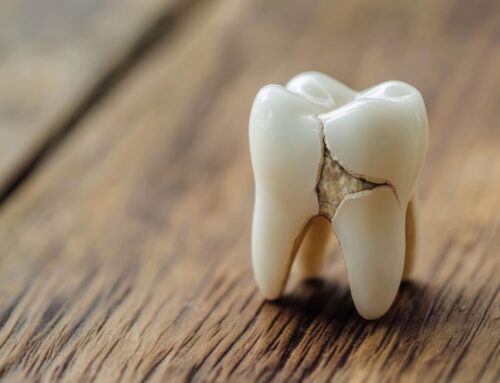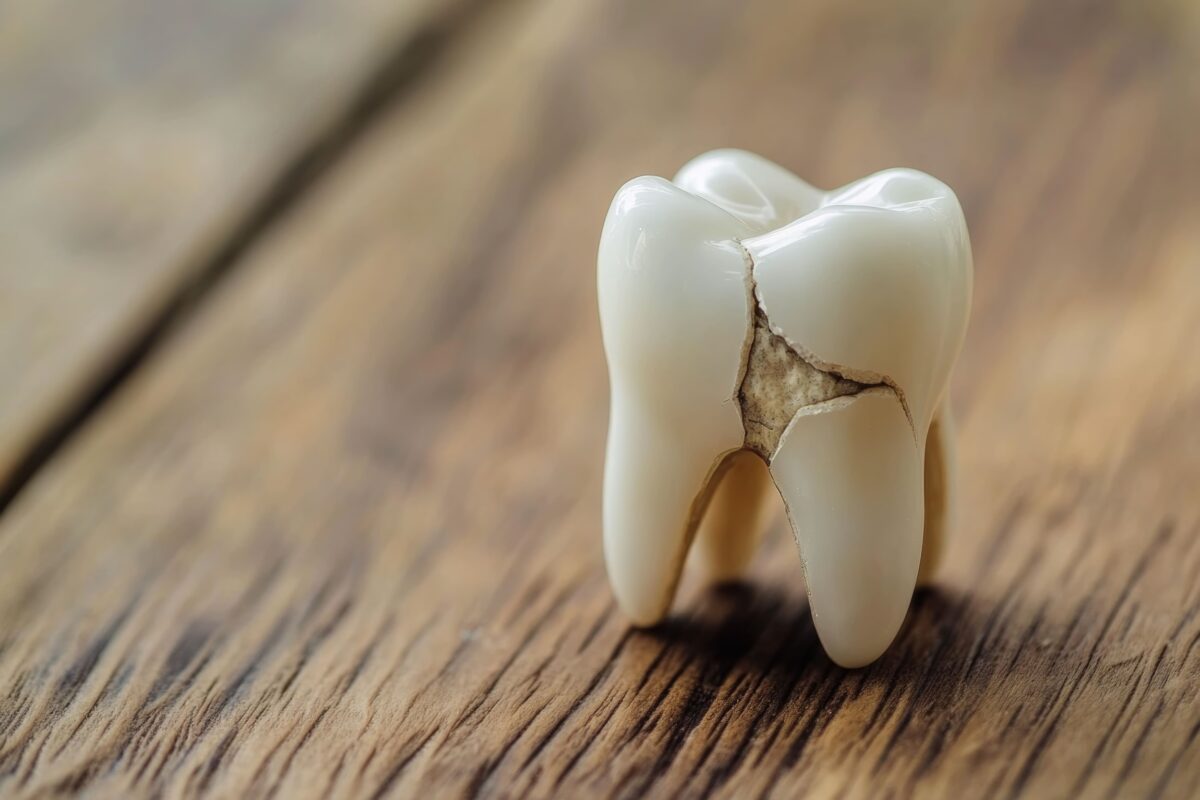

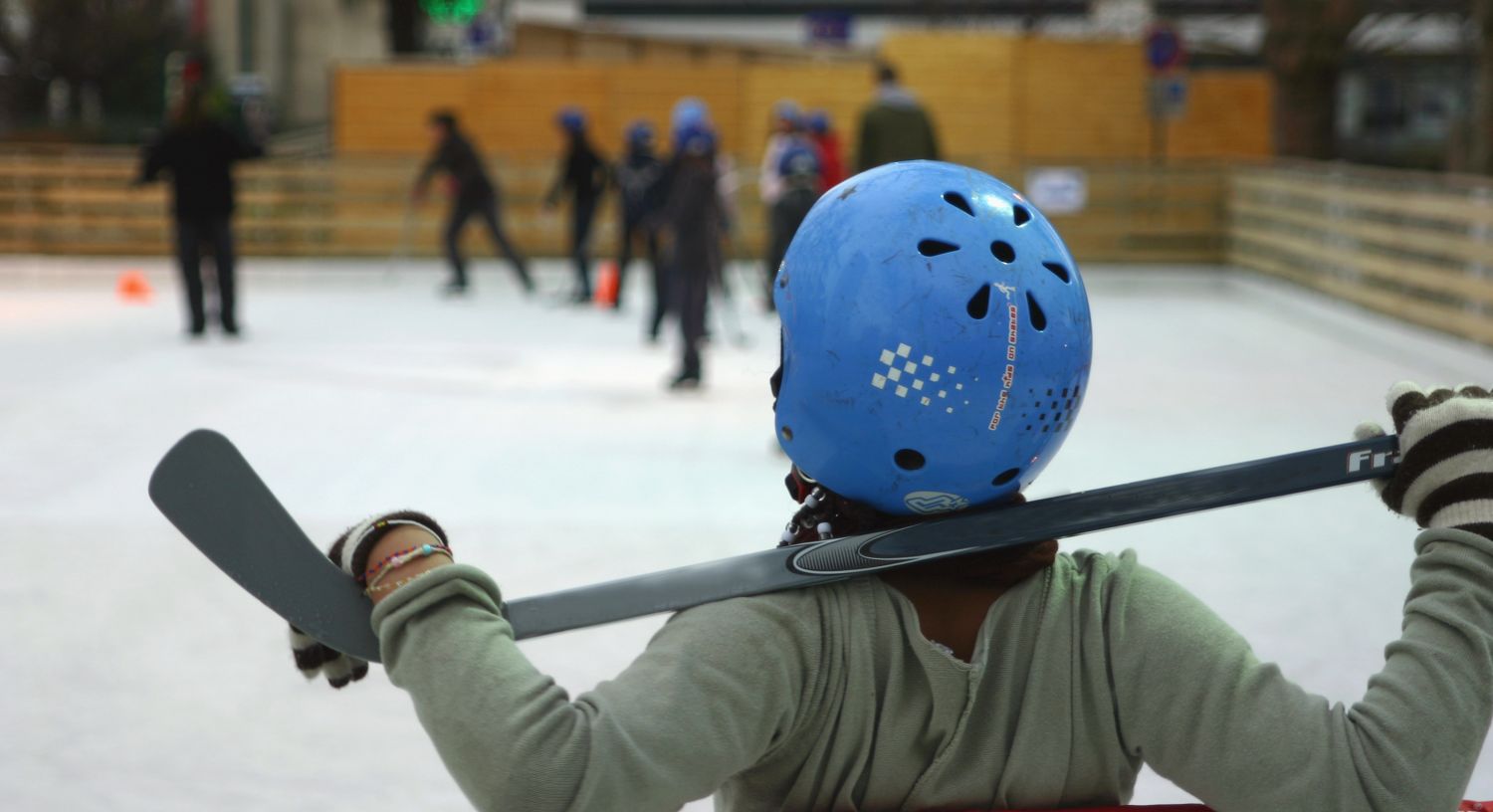
September brings back the tight schedules: lunch boxes, homework and, above all, the return of the leagues. Minor hockey, indoor soccer, school basketball, ringette, martial arts. In the rush for school supplies, one item almost always slips past the radar of the sports bag: the mouthguard. Yet it is probably the best-value piece of equipment in the whole kit. A permanent incisor fractured at age 12 means decades of follow-up, with restorations that have to be redone in adulthood. A properly fitted mouthguard means a twenty-minute appointment before the first practice.
Essential Summary
What Really Happens at the Moment of Impact
A tooth is not a rigid block driven into bone. It is suspended in its socket by the periodontal ligament, a network of fibres that cushions the chewing forces of everyday life. That system is remarkable at absorbing repeated vertical pressure. It is far less capable of handling a sharp, concentrated lateral blow, such as a puck, an elbow or a ball taken square in the mouth.
A mouthguard works mechanically. The elastomer deforms under impact and spreads the force over a much wider surface: instead of one incisor taking all the energy, it is distributed across several teeth and across the guard itself. That dispersion is the difference between a split lip and a fully avulsed tooth.
A mouthguard also acts as a separator between the arches. Without one, a blow to the chin slams the lower jaw against the upper. The frequent result: cracked molars, restorations knocked loose, or a lower lip lacerated by the sharp edge of the incisors. In a young patient with braces, the metal brackets add a row of edges for the soft tissue to be crushed against.
One last point, often misunderstood. A mouthguard is not a concussion-prevention device: the scientific evidence on that effect remains debated. It protects the teeth, the lips and the soft tissue, and that is already considerable. A helmet protects the head, a mouthguard protects the mouth, and neither replaces the other.
Six Signs Your Child’s Mouthguard No Longer Does the Job
Most parents find out a mouthguard has stopped being adequate the evening there is blood on the ice. A quick check at home, before the first practice, avoids a lot of unpleasant surprises.
- It falls out as soon as the mouth opens. A good mouthguard stays put when the child talks or shakes their head, without having to bite down to hold it.
- It no longer covers the back molars. Protection has to extend to the second molar; a guard that is too short leaves the zone most prone to fractures exposed.
- The bite marks are deep or perforated. The material has lost its cushioning thickness at exactly the spot where it was supposed to do its work.
- A new tooth has come in since last season. Between ages 8 and 12 the arch changes fast. A guard moulded last year often no longer matches the mouth of today.
- Braces have been fitted in the meantime. A guard moulded before the appliance becomes unusable, and sometimes harmful, by putting uncontrolled pressure on the brackets.
- It is yellowing, hardening or holds a persistent smell. A sign the material has degraded and bacteria have taken hold. A porous mouthguard cannot be sanitized by rinsing.
A simple test: ask your child to count to ten with the mouthguard in and the jaw relaxed. If it stays in place and the words stay intelligible, the fit still holds up. If not, the start of the season is the right excuse to replace it.
Why the Montreal Back-to-School Window Is the Strategic Moment
The Montreal sports calendar is dense and predictable. Minor hockey associations restart evaluations in late August, school leagues follow within the first weeks of September, and indoor soccer fields fill up just as the days get shorter. In other words, the window between the first practice and the first real contact is narrow.
A custom mouthguard requires an impression, fabrication and a fitting. Allow roughly two weeks between the appointment and delivery. Families who start the process in mid-September often spend the opening games with a stopgap model, which is precisely the period when conditioning and coordination are not yet up to speed.
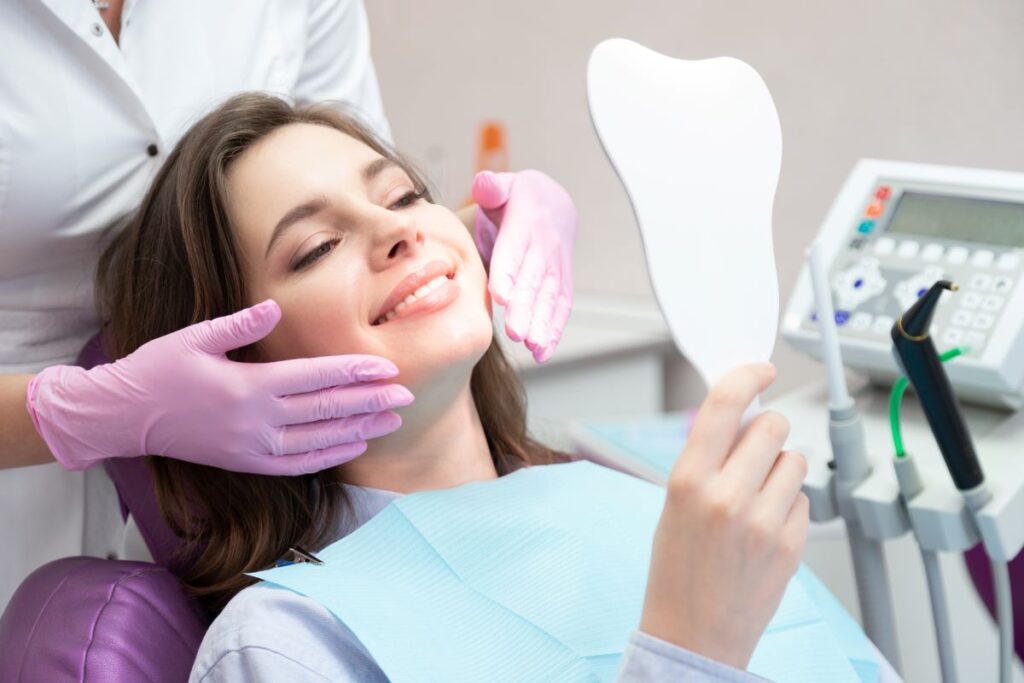
Back-to-school is also the logical moment to bundle care. A check-up, a cleaning, a review of the sealants on the permanent molars and the impression can all fit into a single appointment, which avoids repeated absences from school. It is also a good time to review the family insurance coverage, since the annual maximum resets with most insurers.
Clinique Dentaire Métro Papineau is located at 1480 Cartier Street, directly across from Papineau metro station. For families in the Plateau, Ville-Marie or Hochelaga, the appointment can be booked after school without depending on a car, with a BIXI station at the door. The team also handles dental emergencies, reserving dedicated time slots every day, a useful precaution when the contact season is in full swing.
FAQ: Frequently Asked Questions
At what age should a child start wearing a mouthguard?
As soon as they play a sport with a risk of contact or falling, generally around age 6 or 7. That is when the permanent incisors and the six-year molars come in, which are exactly the teeth most exposed and the most costly to repair over a lifetime.
Can a mouthguard be worn with braces?
Yes, provided it is designed for an orthodontic appliance. It wraps around the brackets so they cannot tear the lip on impact and leaves the space the teeth need to move. A drugstore model moulded directly over braces becomes unusable after the first orthodontic adjustment.
How should a mouthguard be cared for between games?
Rinse it in cold water after every use, brush it gently without abrasive toothpaste, and let it air-dry before storing it in a ventilated case. Hot water, the dishwasher and a sports bag left in a sunny car all warp the material permanently.
Book the Impression Before the Opening Whistle
A permanent tooth does not grow back. It is the one piece of your child’s equipment that has to last sixty years. Take a few minutes now, while the calendar is still flexible, rather than scrambling on a Saturday morning at the arena.
The team at Clinique Dentaire Métro Papineau welcomes you at 1480 Cartier Street in Montreal for the impression and the back-to-school check-up. Call (514) 521-6290 or fill out the online form: a member of the team will get back to you within 24 business hours