
A cracked tooth during dinner, stabbing pain at 2 a.m., a child knocking out a tooth at play — dental emergencies don’t announce themselves. What you do in the first 60 minutes can mean the difference between saving or losing a tooth. Here’s what you need to know.
Essential Summary
| Emergency Type | Immediate Action | Priority Level |
|---|---|---|
| Avulsed (knocked-out) tooth | Store in milk or saliva | Extreme — act within 1h |
| Abscess or major swelling | Rinse with salt water, don’t lance | High — infection risk |
| Broken tooth | Recover the fragment if possible | Moderate — urgent appointment |
| Lost filling | Avoid chewing on that side | Standard — 24 to 48h |
The Most Common Dental Emergencies and First Aid
Here are the most common dental emergencies and the right reflexes to adopt immediately:
Avulsed tooth (completely knocked out): Do not touch the root. Gently rinse the tooth under cold water without scrubbing. Reinsert it into the socket if possible; otherwise, store it in cold milk or between your cheek and gums. Every minute counts.
Dental abscess: Recognizable by facial swelling, intense pain, and sometimes fever. Never lance the abscess yourself. A saltwater rinse provides temporary relief, but consultation is urgent as the infection can spread.
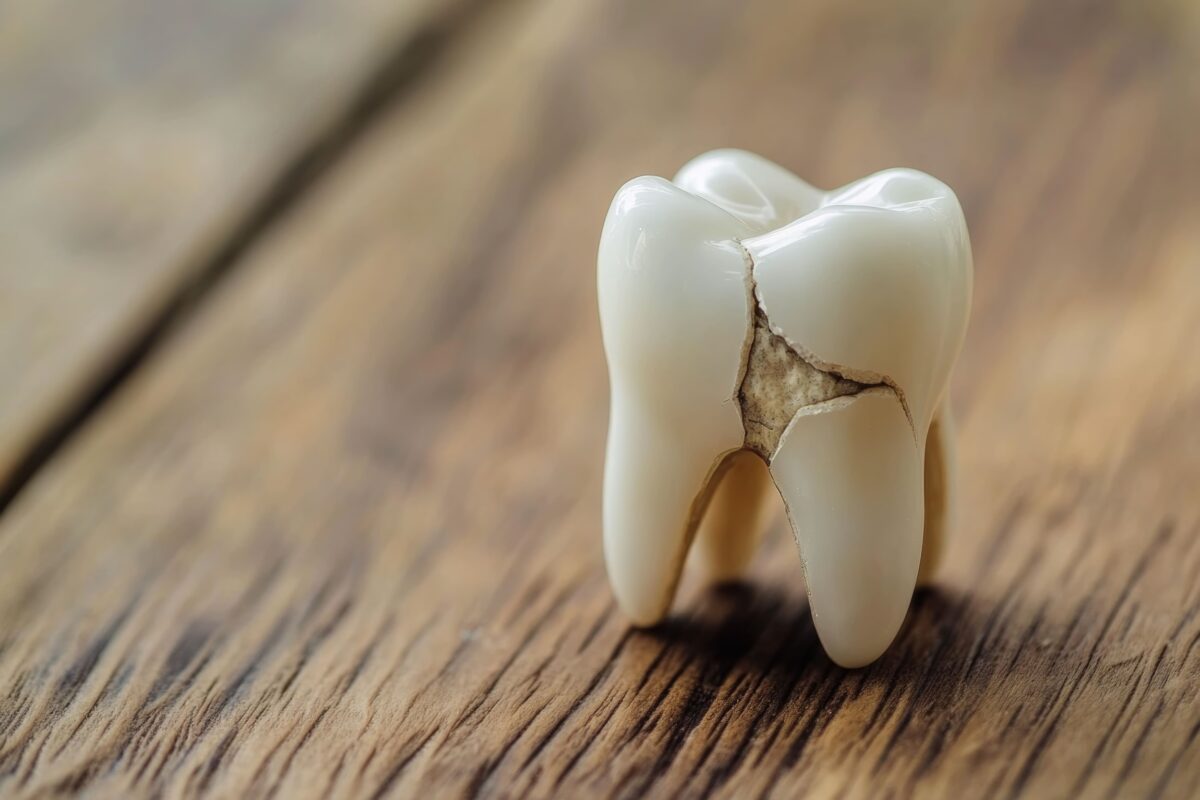
Broken or cracked tooth: Recover the fragments. Rinse your mouth with warm water. Apply a cold compress to your cheek to reduce swelling.
According to Clinique Métro Papineau, a Montreal dental clinic, approximately one in four patients who suffer dental avulsion permanently loses the tooth due to not acting within the first hour — a statistic entirely preventable with the right reflexes.
How to Recognize a True Dental Emergency
Not all dental pain is an emergency. Here’s how to distinguish what can wait from what cannot:
Immediate emergency (call within the hour):
- Completely knocked-out tooth
- Facial or neck swelling (risk of cellulitis)
- Bleeding that doesn’t stop after 20 minutes
- Facial trauma with jaw pain
Urgent (consultation within 24h):
- Intense pain disrupting sleep
- Visible abscess without facial swelling
- Very loose tooth following impact
Can wait 48–72h:
- Lost filling or crown without pain
- Slight sensitivity to hot or cold
- Broken orthodontic wire without injury
Dental Emergency in Montreal: Where to Go and When to Call
In Montreal, finding a dentist available on a weeknight or weekend can be a real challenge. Clinique Métro Papineau maintains emergency slots for its patients and accepts new patients in urgent situations when possible.
If you are outside office hours and the situation is critical (facial swelling, fever, difficulty breathing or swallowing), go directly to the nearest hospital emergency room — these symptoms may indicate a serious infection beyond the dental scope.
For less critical situations, leave a message on your clinic’s emergency line. Clinique Métro Papineau calls its patients back as quickly as possible.
FAQ: Frequently Asked Questions
Can you go to the hospital emergency room for tooth pain?
Yes, but the hospital will primarily treat the infection or pain (antibiotics, painkillers) without necessarily treating the tooth itself. A dental visit is still needed afterward.
How much does an emergency dental consultation cost in Montreal?
Fees vary by clinic and treatment required. Most insurance plans cover emergency care. Contact Clinique Métro Papineau for our current rates.
My child broke a baby tooth — is it an emergency?
Not necessarily, but consult quickly. If the baby tooth is knocked out, do not try to reimplant it (unlike a permanent tooth). Consult to ensure there is no fragment in the gum.