
Think scaling is only necessary once a year? Think again. For many Montrealers, irregular dental visits allow tartar to build up silently — until gums bleed or a tooth starts to shift. The good news: a professional scaling often fixes the problem before it escalates.
Essential Summary
| Situation | Associated Risk | Recommended Frequency |
|---|---|---|
| Light plaque | Early gingivitis | Once a year |
| Visible tartar | Gum disease | Twice a year |
| Frequent bleeding | Periodontitis | Every 3–4 months |
| Smoker or diabetic | Rapid progression | Every 3 months |
What Tartar Actually Does to Your Teeth
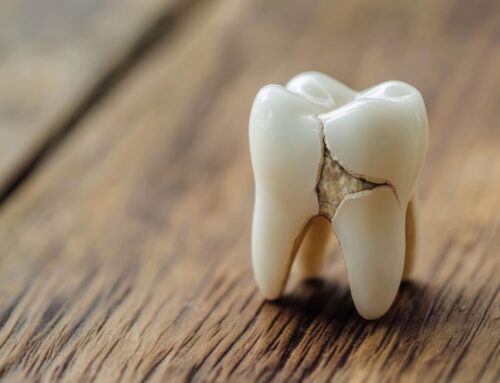
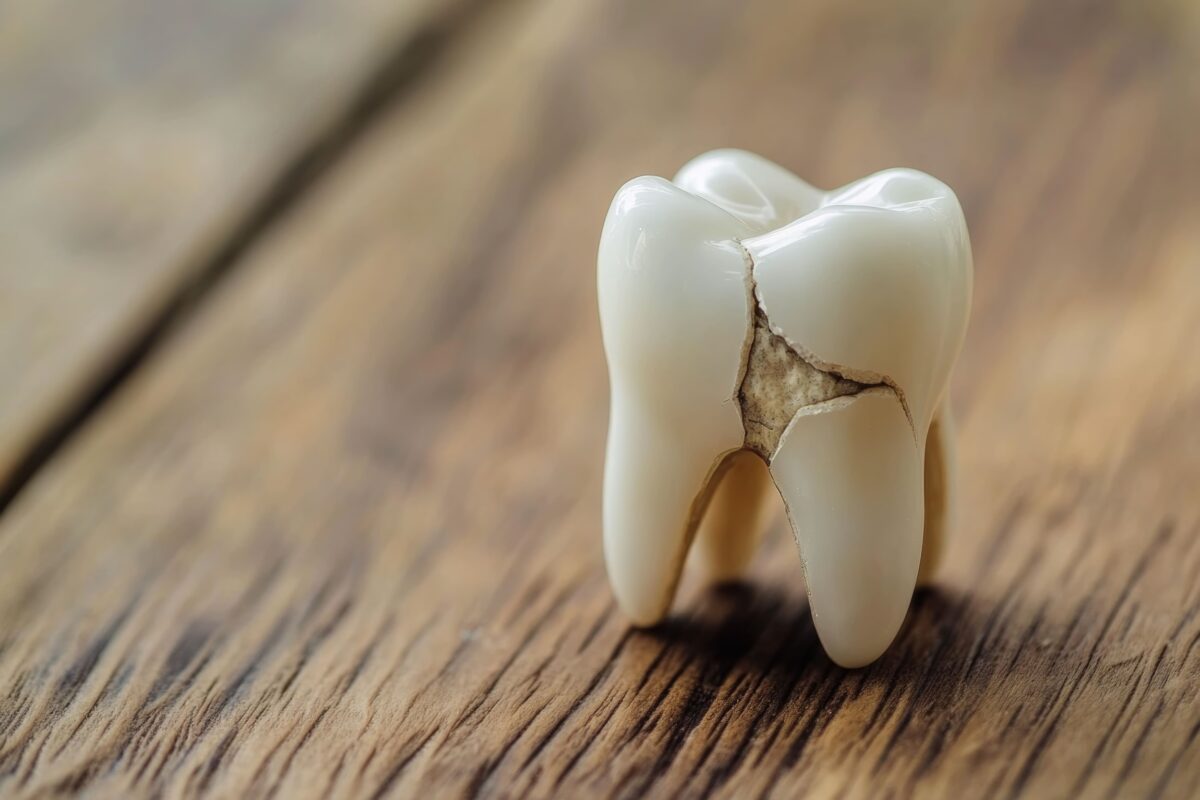
Tartar — also called dental calculus — is the direct result of plaque that isn’t removed in time. Within 48 to 72 hours, plaque mineralizes on contact with saliva and hardens like cement. Once formed, no toothbrush, even an electric one, can remove it. Only a professional dental instrument can.
This isn’t just an aesthetic issue. Tartar harbors bacteria that irritate gums, cause chronic inflammation, and can eventually attack the bone supporting your teeth. According to Clinique Métro Papineau, a Montreal dental clinic, untreated tartar buildup over 18 months can lead to measurable gingival attachment loss — an early sign of periodontitis.
The process is insidious because it is painless in its early stages. Most patients don’t realize the extent of the problem until a dentist shows them periodontal probe readings.
Signs You Need a Scaling Appointment Right Now
Here are the warning signs you shouldn’t ignore:
- Your gums bleed when brushing or flossing.
- Your teeth look “longer” than before (gum recession).
- You have persistent bad breath despite regular brushing.
- You see yellow or brown deposits at the base of your teeth.
- Your gums are red, swollen, or tender to the touch.
A concrete example: in an internal screening conducted by Clinique Métro Papineau, over 60% of new patients who hadn’t been seen in more than 18 months had sub-gingival tartar levels requiring deep scaling. Early detection remains the best investment for your oral health.
Montreal and Oral Health: Why Acting Now Matters
Montreal is a northern city. The cold season lasts several months, bringing dehydration from indoor heating, a richer diet, and a tendency to delay medical appointments. These combined factors accelerate tartar buildup for many Montrealers.
Additionally, local dietary habits — coffee, Montreal bagels, smoked meat — can stain and weaken tooth enamel. Regular scaling at your neighbourhood dentist, like Clinique Métro Papineau, not only cleans deeply but also catches early cavities or bite issues before they become costly.
FAQ: Frequently Asked Questions
Is dental scaling painful?
No, scaling is generally not painful. If your gums are sensitive, the dentist can apply a local anesthetic gel to maximize your comfort.
Is dental scaling covered by insurance in Quebec?
Most insurance plans cover one to two scalings per year. Check your policy or ask our team to verify your coverage before your appointment.
What is the difference between simple scaling and deep scaling?
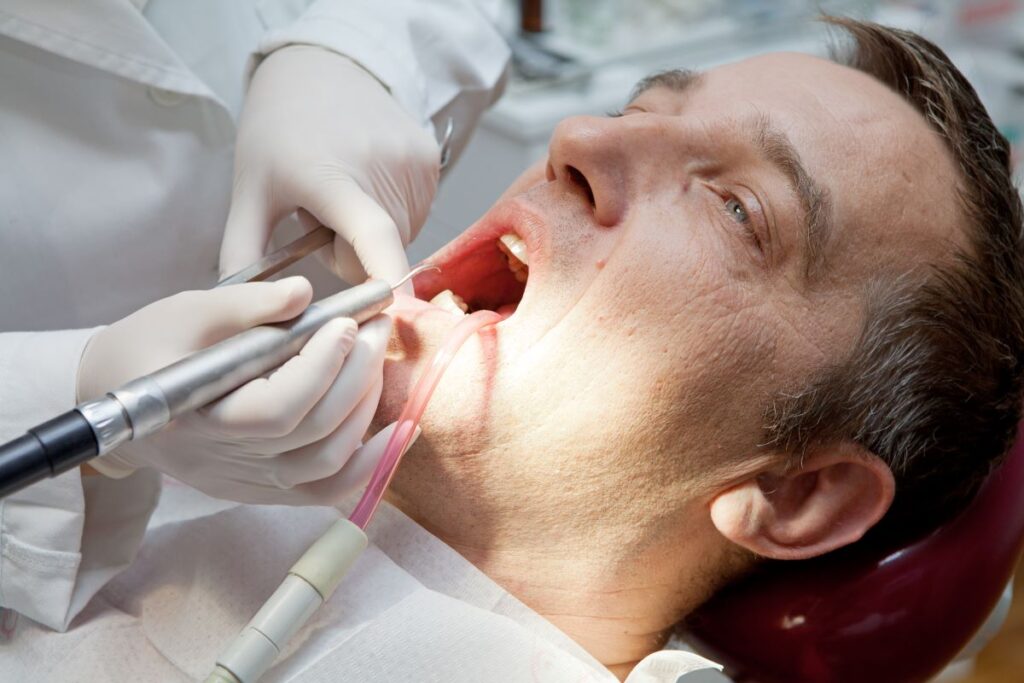
Simple scaling removes tartar above the gum line. Deep scaling (root planing) works below the gum to treat early-stage periodontitis.