
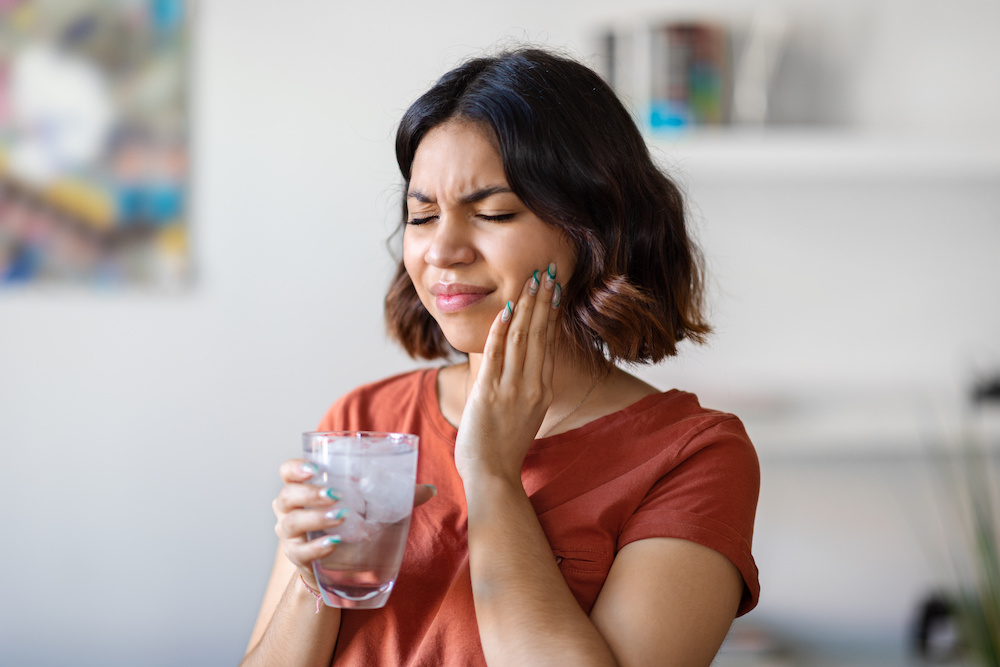
A sharp, sudden pain when drinking a glass of cold water or breathing in Montreal’s icy winter air? Tooth sensitivity to cold affects nearly one in four adults and can significantly impact your quality of life. The good news: in most cases, simple solutions exist.
Essential Summary
| Cause | Mechanism | Recommended Solution |
|---|---|---|
| Enamel erosion | Dietary acids or gastric reflux wear down enamel | Fluoride toothpaste, avoid acidic foods |
| Gum recession | Gum tissue pulls back, exposing the root | Gum graft or protective varnish |
| Aggressive brushing | Mechanical abrasion of enamel | Soft-bristled brush, proper technique |
| Untreated cavity | The cavity exposes dentin or pulp | Filling or root canal treatment |
| Bruxism (grinding) | Enamel wear from nighttime friction | Night guard (occlusal splint) |
Why Do Your Teeth React to Cold?
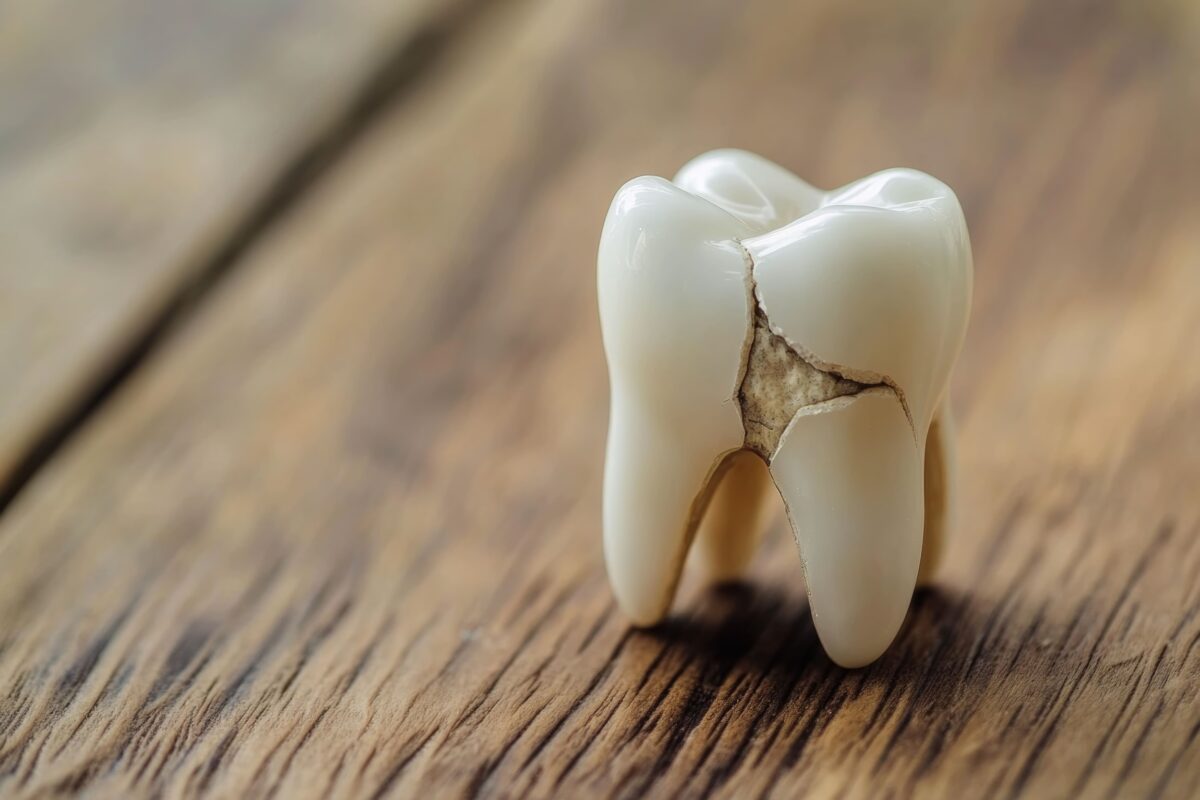
A tooth is made up of several layers. The enamel—the outer layer—is the hardest tissue in the human body and contains no nerves. Beneath the enamel lies dentin, a porous tissue crossed by thousands of tiny channels called dentinal tubules. These tubules connect the tooth’s surface to the pulp, where the nerves are located.
When enamel is worn down or the gum recedes, dentin becomes exposed. Cold then stimulates fluid movement inside the tubules, which activates nerve endings in the pulp and produces that characteristic brief but intense pain. This is known as the hydrodynamic theory of dental sensitivity.
When Does Cold Sensitivity Become Concerning?
Temporary sensitivity after consuming a very cold drink is relatively common and not necessarily worrying. However, certain signs warrant immediate attention.
See your dentist if the pain lasts several minutes after cold exposure, occurs spontaneously without a stimulus, is localized to a single tooth, if you notice a colour change or gum swelling, or if the pain wakes you at night. These symptoms may indicate a deep cavity, a cracked tooth, a developing abscess, or periodontal disease requiring prompt treatment.
Montreal Winters and Tooth Sensitivity
Montreal experiences winter temperatures that can drop below -20°C. For people with tooth sensitivity, breathing through the mouth in cold weather can trigger intense pain. The thermal contrast between a hot coffee and the freezing outdoor air makes the problem worse.
Some practical winter tips: breathe through your nose as much as possible, wear a scarf over your mouth in extreme cold, use a desensitizing toothpaste daily, and visit your dentist at Clinique Dentaire Metro Papineau for a professional fluoride treatment before the cold season.
Book Your Appointment
Is cold sensitivity ruining your daily life? Book an appointment at Clinique Dentaire Metro Papineau to identify the cause and get the right treatment. Don’t let the pain take hold.
FAQ: Frequently Asked Questions
Which toothpaste should I choose for sensitive teeth?
Toothpastes containing potassium nitrate or stannous fluoride are the most effective. Potassium nitrate calms dental nerves while stannous fluoride seals exposed tubules. Use them for at least two weeks to see improvement.
Can tooth sensitivity go away on its own?
Mild sensitivity may diminish with regular use of a desensitizing toothpaste. However, if the underlying cause is a cavity, crack, or gum recession, professional treatment is needed for a lasting solution.
Does teeth whitening increase sensitivity?
Yes, whitening agents can cause temporary sensitivity. If you already have sensitive teeth, discuss this with your dentist before any whitening treatment. Adapted protocols can minimize this side effect.