
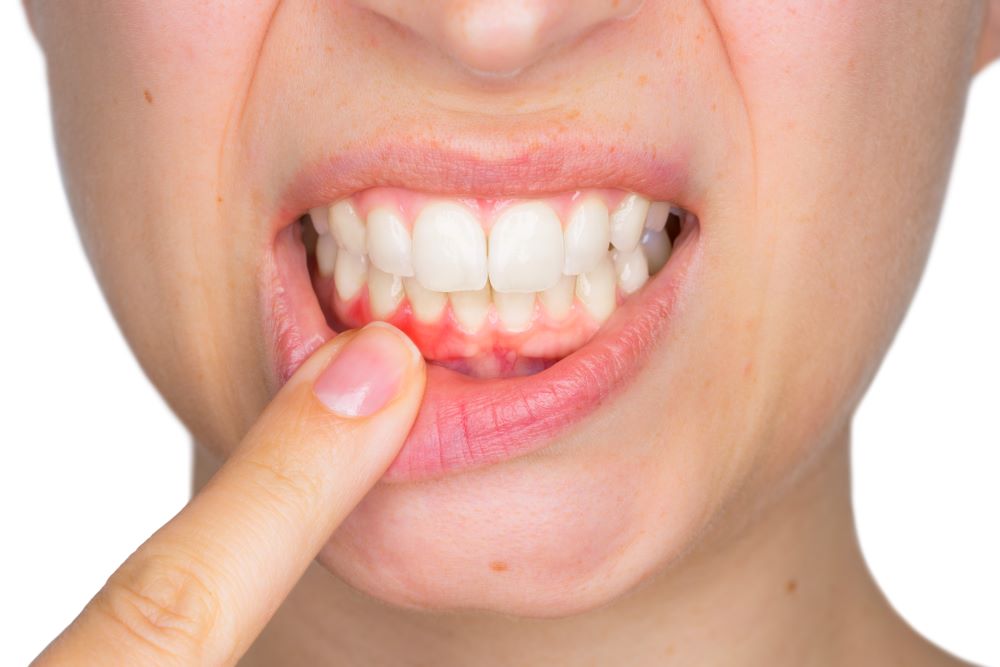
Do your gums bleed when you brush your teeth? This symptom, often dismissed, can signal the beginning of periodontal disease. From reversible gingivitis to destructive periodontitis, understanding the difference is crucial to acting in time and preserving your teeth.
Essential Summary
| Characteristic | Gingivitis | Periodontitis |
|---|---|---|
| Severity | Mild (initial stage) | Moderate to severe (advanced stage) |
| Reversibility | Fully reversible | Irreversible (permanent damage) |
| Main symptoms | Red, swollen gums, bleeding | Gum recession, tooth mobility, bone loss |
| Primary cause | Dental plaque buildup | Untreated plaque, genetics, smoking |
| Treatment | Professional cleaning, improved hygiene | Root planing, possible periodontal surgery |
From Dental Plaque to Periodontal Disease: The Mechanism
It all starts with dental plaque, an invisible bacterial biofilm that constantly forms on teeth. If not removed by effective brushing and flossing, plaque hardens into tartar within 24 to 48 hours. Tartar creates an environment conducive to the proliferation of pathogenic bacteria that irritate the gums.
At the gingivitis stage, inflammation remains superficial: gums are red, swollen, and bleed easily, but the alveolar bone and periodontal ligament are not yet affected. If the situation is not corrected, bacteria migrate beneath the gum line, creating periodontal pockets. This marks the transition to periodontitis, where bone begins to resorb irreversibly, threatening tooth stability.
Warning Signs You Should Not Ignore
Gingivitis presents as gums that bleed during brushing or flossing, localized swelling, and sometimes slight tenderness. These signs are often ignored because they don’t cause significant pain.
Periodontitis shows more alarming symptoms: persistent bad breath despite good hygiene, receding gums that make teeth appear longer, spaces developing between teeth, noticeable tooth mobility, and sometimes painful gum abscesses. Smoking can mask bleeding by reducing blood flow to the gums, which often delays diagnosis.
Prevention and Treatment of Periodontal Disease in Montreal
Prevention is the best strategy. Brushing twice daily with a soft-bristled brush, daily flossing, and regular dental visits form the essential triad. Antiseptic mouthwash can complement this routine.
In Montreal, Clinique Dentaire Metro Papineau offers comprehensive periodontal care. Gingivitis treatment typically involves professional scaling followed by personalized hygiene advice. For periodontitis, root planing (deep cleaning beneath the gum line) may be necessary, sometimes supplemented with local antibiotic therapy. Severe cases may require periodontal surgery to reduce pockets and regenerate lost bone.
Book Your Appointment
Are your gums bleeding regularly? Don’t let the situation deteriorate. Book an appointment at Clinique Dentaire Metro Papineau for a complete periodontal assessment and treatment tailored to your condition.
FAQ: Frequently Asked Questions
Can gingivitis progress to periodontitis?
Yes, untreated gingivitis is the main risk factor for periodontitis. However, progression is not automatic and depends on factors such as genetics, smoking, diabetes, and oral hygiene quality. Early treatment of gingivitis prevents this progression.
Can periodontitis cause tooth loss?
Yes. Advanced periodontitis is the leading cause of tooth loss in adults. The destruction of alveolar bone and the periodontal ligament eventually makes teeth mobile, to the point where extraction may be the only option. This is why early screening and treatment are so important.
Does smoking worsen gum disease?
Smoking is one of the most significant risk factors for periodontitis. It reduces blood flow to the gums, decreases tissue healing capacity, and promotes disease progression. Quitting smoking significantly improves the periodontal prognosis.