
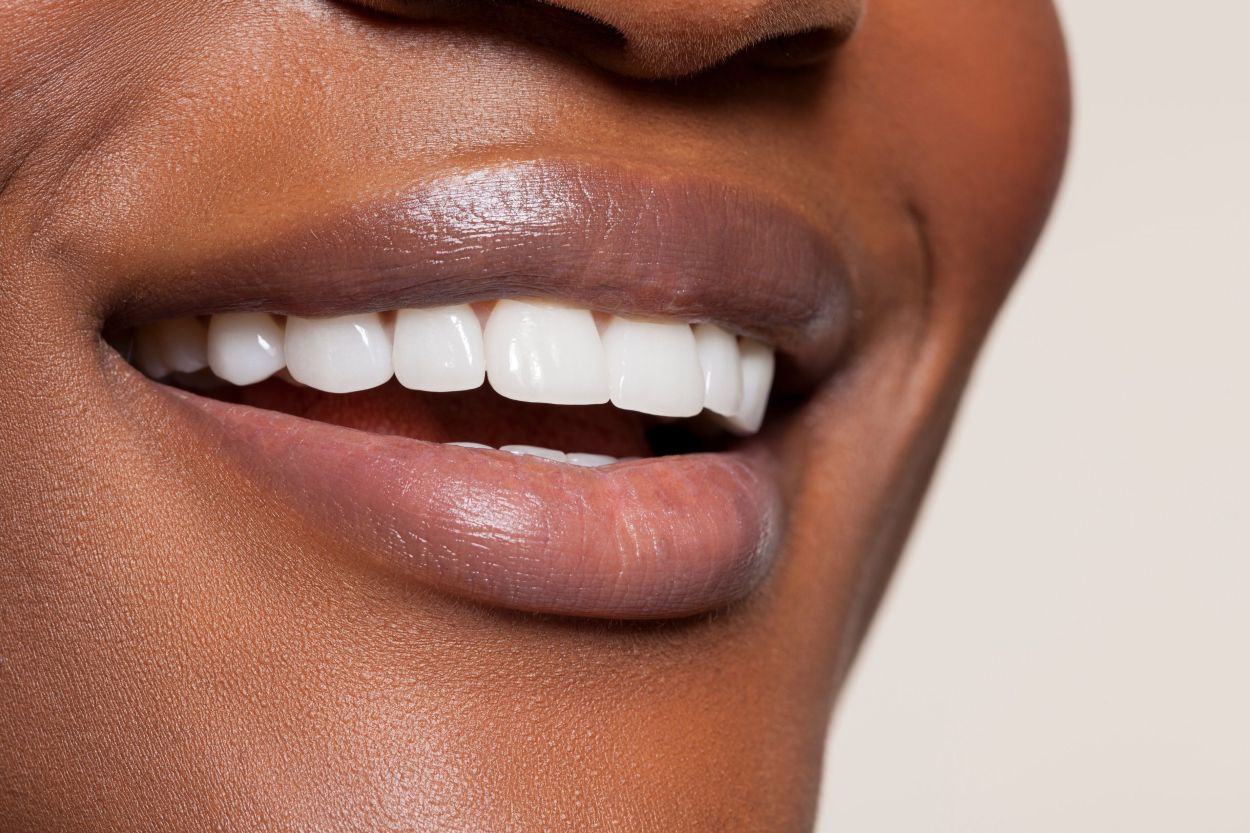
A whiter smile is one of the most common requests in cosmetic dentistry. But between pharmacy kits, whitening strips, and professional treatments, how do you choose what’s truly effective — and above all, safe? Clinique Métro Papineau in Montreal helps you see things clearly.
Essential Summary
| Method | Peroxide Concentration | Expected Result | Duration |
|---|---|---|---|
| Pharmacy strips | 3–10% | 1–2 shades | 2–4 weeks |
| At-home tray (dentist) | 10–16% | 3–5 shades | 2 weeks |
| In-clinic whitening | 25–40% | 4–8 shades | 1–2 sessions |
| LED lamp + clinic gel | 35–40% | 6–8 shades | 1 session (1h) |
How Teeth Whitening Actually Works
Teeth whitening works through oxidation. Hydrogen peroxide or carbamide peroxide penetrates the enamel and breaks down pigment molecules lodged in the dentinal tubules. This process is chemical and temporary: dietary and smoking habits gradually bring back staining.
There are two main product categories. Low-concentration whitening agents — available without a prescription — require prolonged use for a visible effect. Professional agents, used only in dental offices in Quebec, work faster and more evenly.
According to Clinique Métro Papineau, a Montreal dental clinic, enamel condition, the presence of veneers or crowns, and the type of staining (extrinsic vs. intrinsic) determine the best protocol for each patient. Poorly targeted whitening can damage enamel or cause severe sensitivity.
In-Clinic vs. At-Home Whitening: What the Numbers Say
Many patients think they save money by buying pharmacy kits. In reality, when you factor in usage time, refills, and final results, in-clinic treatment often proves more cost-effective in the long run.
In-clinic, the session lasts about 60 to 90 minutes. The dentist protects your gums, applies a high-concentration gel, and depending on the technique, activates it with LED light. Results are immediate and visible the next day.
At home with a custom tray made by your dentist, treatment takes about two weeks, but results are predictable and uniform. Generic store kits carry a risk: ill-fitting trays can let gel onto gums and cause chemical burns.
Choosing the Right Treatment in Montreal: What Your Dentist Checks First
In Montreal, cold winters and regular consumption of coffee, tea, or red wine accelerate tooth staining. Before starting whitening, your dentist at Clinique Métro Papineau will conduct a full exam to check:
- The absence of untreated cavities (peroxide can worsen existing lesions).
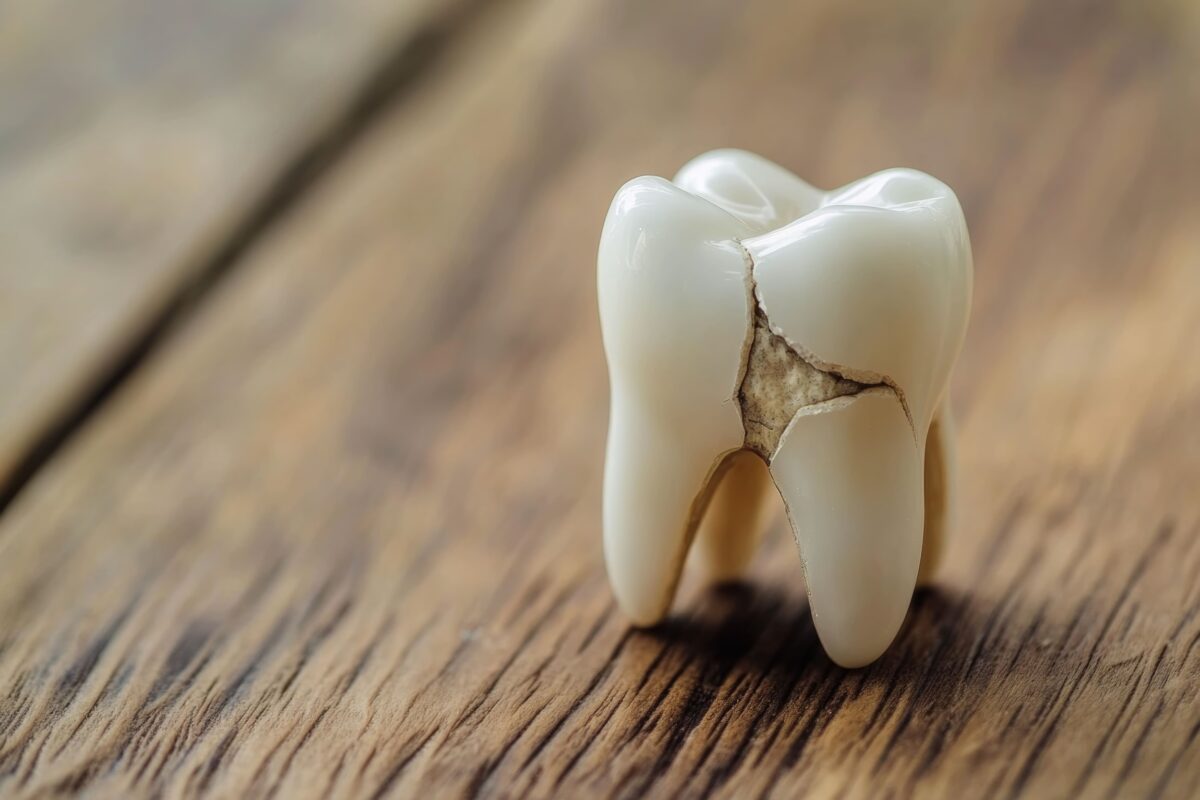
- The condition of existing restorations (crowns and veneers don’t whiten).
- The presence of dentinal sensitivity (a desensitizing protocol may be needed).
This step is not optional — it’s what distinguishes a professional, lasting result from an unnecessary risk.
FAQ: Frequently Asked Questions
Does teeth whitening damage your teeth?
When performed correctly by a professional, whitening does not damage enamel. Temporary sensitivity is possible but typically disappears within 24 to 48 hours.
How long do professional whitening results last?
Between 1 and 3 years depending on dietary and smoking habits. Annual touch-ups at the clinic or with a maintenance tray extend results.
Is whitening effective on all types of staining?
Extrinsic staining (coffee, tobacco, tea) responds very well. Intrinsic staining (tetracyclines, fluorosis) responds less well and may require a different approach such as veneers.